Minimalist Home Decor Ideas for a Clean and Elegant Look
Minimalist homes feel calm, clear, and effortlessly refined. The goal is to keep only what supports daily life while choosing materials and shapes that feel timeless.
Updated March 26, 2026 | 8 minute read
Introduction
Minimalism is not about empty rooms. It is about intentional rooms. A clean and elegant home comes from clarity: clear surfaces, a cohesive palette, and a few carefully chosen details that carry the mood. When each item has a purpose, the space feels lighter and more balanced.
The most successful minimalist spaces are practical. Storage is solved, circulation is easy, and the visual noise is reduced. The ideas below focus on simple, repeatable moves that work in real homes, from small apartments to open-plan spaces.
Minimalism also supports well-being. When the room is visually quiet, it is easier to relax, focus, and enjoy the details that remain. Even small edits like removing excess items from a coffee table or keeping a single shelf clear can change how the room feels. The goal is not perfection, but a steady sense of ease.
Minimalist Home Decor Ideas
Choose the ideas that solve your biggest pain points first. Minimalist spaces improve most when you edit and refine in small, consistent steps.
If you feel unsure where to start, choose one room and one surface. Declutter it, add one intentional item, and stop there. That simple exercise makes it easier to see which pieces add value and which ones are simply filling space. Over time, this builds the clean, elegant look without feeling abrupt or sterile.
1. Build a Calm, Neutral Base
A quiet palette sets the tone for the entire home. Soft whites, warm beige, and muted stone tones help rooms feel clean without feeling cold. This base also lets texture and shape carry the visual interest.
- Limit the main palette to two or three related tones.
- Repeat the base color across walls, textiles, and larger furniture.
- Use one deeper accent tone in small doses for depth.
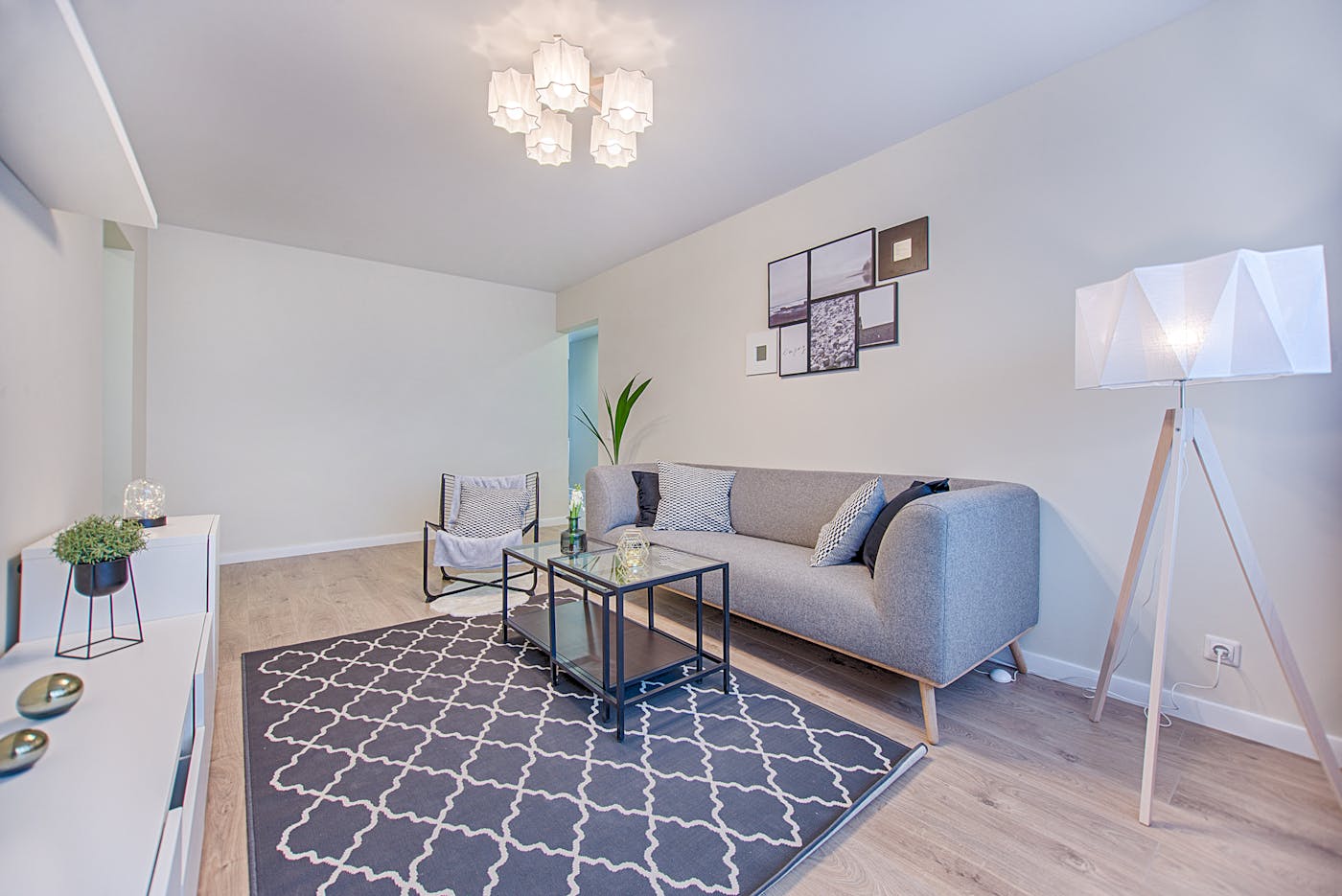
Minimalist living room with neutral palette.
2. Choose Furniture With Clean Lines
Minimalist rooms rely on shape rather than ornament. Simple silhouettes keep the room feeling open and make it easier to maintain a consistent look across spaces.
- Look for smooth edges and simple profiles.
- Keep furniture heights varied for subtle visual rhythm.
- Favor fewer, larger pieces over many small ones.
3. Reduce Visual Clutter With Closed Storage
Minimalist rooms look calm because most daily items are out of sight. Closed storage allows you to keep what you need without adding visual noise to the space.
- Use cabinets or drawers for everyday essentials.
- Group like items together so storage stays efficient.
- Keep one surface mostly clear to give the eye a rest.
4. Let Negative Space Work
Negative space makes the room feel intentional. Leaving breathing room around furniture and decor gives each piece a chance to stand out. This is where elegance comes from.
- Leave a small buffer between furniture and walls where possible.
- Keep at least one wall mostly open.
- Choose fewer accessories and space them out.
5. Use Texture for Depth, Not Color
Texture replaces color in a minimalist home. Woven rugs, linen drapery, matte ceramics, and smooth wood create depth without adding visual clutter.
- Mix smooth and tactile finishes in the same palette.
- Use one textured piece per area to avoid excess layering.
- Repeat materials across rooms for cohesion.
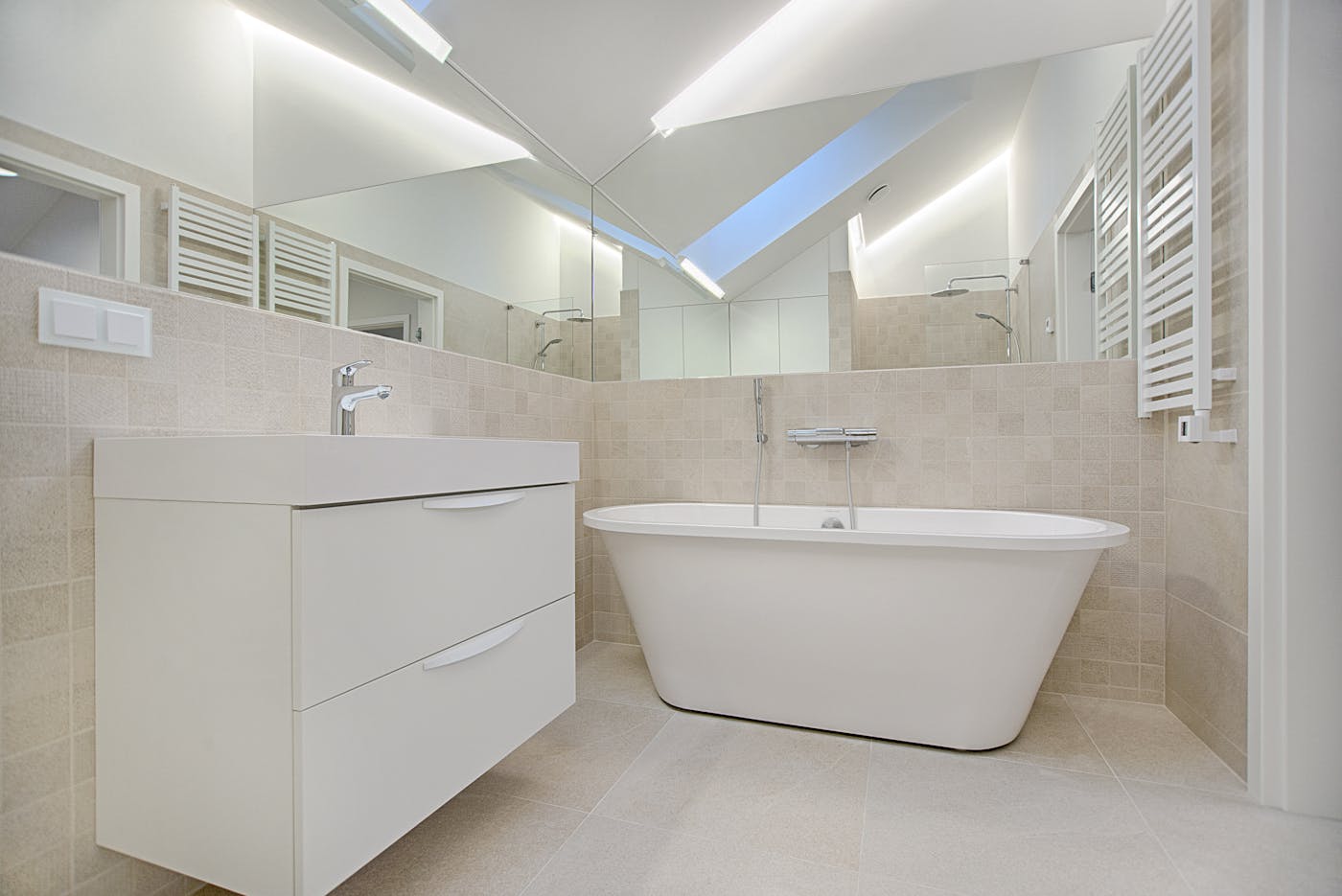
Simple decor with clean lines.
6. Edit Surfaces to One Intentional Moment
Tables and shelves should have a clear purpose. A single tray, a sculptural object, or a stack of books can be enough. The goal is to make surfaces look curated instead of crowded.
- Limit each surface to one focal cluster.
- Use objects of varying height for balance.
- Leave part of the surface empty to keep it calm.
7. Keep Lighting Soft and Intentional
Minimalist spaces rely on mood as much as layout. Soft, warm lighting makes the room feel inviting while keeping the clean look intact.
- Use warm bulbs to reduce harsh glare.
- Layer overhead light with one or two lamps.
- Keep lamp shapes simple and cohesive.
8. Create a Consistent Material Story
A minimalist home feels elegant when materials repeat. If you choose light wood, matte metal, and natural textiles, echo those choices in multiple rooms so the home feels intentional.
- Pick two main materials and one accent material.
- Repeat finishes in hardware, lighting, and decor.
- Avoid mixing too many metals in the same space.
9. Use Art as a Statement, Not a Collection
A single large piece of art can anchor a room without visual clutter. Minimalist art works best when it reflects the calm palette of the space.
- Choose one oversized piece instead of several small frames.
- Hang art at eye level for a balanced look.
- Use simple frames to keep the focus on the art.
How to Achieve Minimalist Elegance
Start With Function First
Minimalist elegance begins with a home that works. When storage is effective and layout is clear, the decor can be minimal without feeling bare.
- Define the purpose of each area before styling it.
- Remove items that do not support daily routines.
- Choose fewer, more versatile pieces that earn their place.
Prioritize Balance and Proportion
Elegant minimalism is about calm proportions. Avoid tiny decor scattered everywhere and instead use a few well-scaled items that feel intentional in the space.
Pay attention to scale in every room. A small rug can make a space feel cramped, while an oversized rug can make it feel grounded and more generous. The same goes for lighting: one statement pendant can feel cleaner than multiple small fixtures competing for attention.
- Scale artwork and rugs to the room size.
- Use one focal piece per area to anchor the eye.
- Keep furniture heights varied but cohesive.
Refine, Then Refine Again
The final step is editing. Once a room looks good, remove one more item. This is often where the space shifts from simply tidy to truly elegant.
- Evaluate each surface and remove one object.
- Keep only the pieces you notice and use regularly.
- Leave breathing room to highlight what remains.
Common Mistakes to Avoid
Minimalist design can feel flat if the details are not considered. These mistakes can make the space feel sterile or unfinished.
- Removing everything and leaving the room cold or empty.
- Ignoring texture, which creates a flat look.
- Using too many small decor items instead of fewer statement pieces.
- Mixing unrelated materials without a consistent palette.
- Forgetting warmth in lighting and textiles.
Conclusion
Minimalist decor is about clarity and calm. When you choose a cohesive palette, thoughtful storage, and a few intentional details, the home feels clean, elegant, and lived in.
Start with function, simplify one room at a time, and let the space breathe. Minimalism is not about less for the sake of less, it is about more ease and more quiet beauty in daily life.